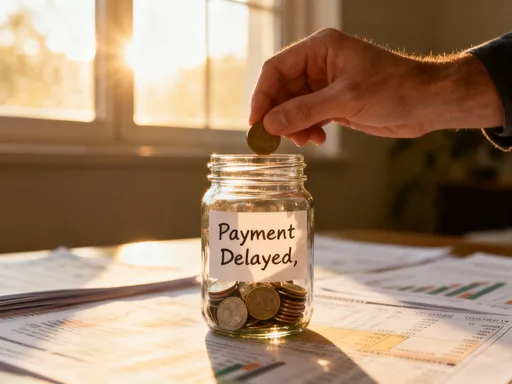
How I Found Stability in My Mortgage Journey – A Beginner’s Real Talk
When I first signed my mortgage, I thought the hardest part was over. But soon, I realized I was just one unexpected bill away from stress and sleepless nights. Like many beginners, I confused homeownership with financial freedom—until reality hit. This is the story of how I shifted from surviving to thriving, turning my mortgage from a burden into a tool for long-term stability. No jargon, no hype—just real lessons learned the hard way. It wasn’t a single decision that changed everything, but a series of mindful adjustments, each reinforcing the next. This journey taught me that true security isn’t found in owning a home, but in managing it wisely, calmly, and with intention.
The Hidden Pressure Behind the Keys
Buying my first home felt like winning life’s lottery—until the monthly payments started. The excitement of holding the keys quickly gave way to the weight of responsibility. I had budgeted for the mortgage, property taxes, and insurance, but I hadn’t accounted for the unpredictable. A leaking roof, a sudden job slowdown, or even a missed tax refund could throw the entire balance off. I began to realize that homeownership wasn’t the finish line; it was the starting point of a long-term financial commitment. The emotional high of ownership masked a deeper truth: stability doesn’t come from possession, but from preparedness.
What I initially mistook for security was actually fragility. I had assumed that once I qualified for the loan, I was financially equipped to keep it. But approval is not the same as resilience. Banks assess risk based on income and credit history, not on life’s curveballs. When a minor medical expense wiped out my small savings, I panicked. I wasn’t behind on payments yet, but the fear of falling behind was constant. That’s when I began to question my assumptions. Was I really in control, or was I simply balancing on a tightrope with no safety net? The answer reshaped my entire approach to homeownership.
I started tracking not just my mortgage payment, but every financial inflow and outflow tied to the home. This included maintenance, utility fluctuations, and even the cost of commuting from a suburban neighborhood. I discovered that my housing-related expenses were nearly 40% higher than I had originally estimated. The mortgage was only one piece of the puzzle. Once I acknowledged the full scope, I could begin building a system that accounted for reality, not just ideals. This shift—from fantasy to fact—was the first real step toward stability.
Why Stability Beats Speed in Debt Management
Like many first-time homeowners, I believed the fastest path to freedom was paying off the mortgage early. I read articles praising those who eliminated their debt in ten years instead of thirty. I admired their discipline and assumed that speed equaled success. So, I started diverting every spare dollar toward extra principal payments. I skipped vacations, delayed car repairs, and cut back on groceries. For a while, I felt proud. Then, my furnace failed in the middle of winter. The repair cost nearly $2,000—money I didn’t have because I’d poured it all into the mortgage. I had to use a high-interest credit card, undoing months of progress.
That experience was a wake-up call. I had prioritized debt reduction over financial resilience, and it backfired. I learned that **stability**—not speed—should be the primary goal in mortgage management. Paying down debt aggressively only works if you have a strong foundation. Without an emergency buffer, even a minor setback can force you into higher-cost debt, increasing long-term financial strain. I realized that financial health isn’t measured by how fast you erase a balance, but by how well you can handle disruptions without derailing your entire plan.
So, I changed my strategy. Instead of focusing solely on early payoff, I began building a parallel system of protection. I opened a dedicated savings account and committed to funding it before allocating extra money to the mortgage. I also reviewed my budget to identify non-essential spending that could be redirected without causing hardship. This balanced approach allowed me to make modest extra payments when possible, but without sacrificing security. Over time, I found that this method reduced anxiety far more than accelerated payments ever did. Peace of mind, I discovered, is a better indicator of financial health than a shrinking loan balance.
Mapping Your Real Monthly Cash Flow
For years, I thought I had a good handle on my finances. I paid my bills on time, avoided credit card debt, and even contributed to a retirement account. But when I began analyzing my true monthly cash flow, I was shocked by what I found. I had been tracking only the big-ticket items—mortgage, utilities, groceries—but ignoring the dozens of small, recurring expenses that quietly drained my account. Subscription services, delivery fees, home repairs, and even pet supplies added up to hundreds of dollars each month. These weren’t luxuries; they were invisible obligations that eroded my financial flexibility.
I decided to create a comprehensive cash flow map—a detailed list of every dollar leaving my account each month. I categorized expenses into fixed (mortgage, insurance), variable (utilities, groceries), and discretionary (dining out, entertainment). I also included seasonal costs like property tax installments and annual maintenance. Once I visualized the full picture, I identified several areas where spending could be adjusted. For example, I was paying for three streaming services I rarely used and had forgotten about automatic donations that totaled over $60 a month. These weren’t reckless choices, but habits formed over time without review.
More importantly, I noticed that my housing-related costs—mortgage, insurance, maintenance, HOA fees—were consuming nearly 38% of my net income. While this was below the traditional 30% guideline, it left little room for emergencies or future goals. By mapping my cash flow, I realized I wasn’t overspending on the mortgage itself, but on the ecosystem around it. I began making intentional choices: I canceled unused subscriptions, negotiated better rates on internet and insurance, and set up a maintenance fund to avoid surprise expenses. This wasn’t about deprivation; it was about alignment. I wanted my mortgage to fit into my life, not dominate it.
The Emergency Fund That Saved My Sanity
Two years into homeownership, my company underwent restructuring. Bonuses were suspended, and hours were reduced for several employees, including me. My income dropped by 15% for six months. I had always believed I could handle financial setbacks, but this was different. For the first time, I questioned whether I could keep up with my mortgage. I had no emergency savings dedicated to housing, and the idea of missing a payment terrified me. I wasn’t in crisis yet, but the fear was real. That’s when I committed to building a mortgage-specific emergency fund.
This wasn’t a general savings goal. It was a targeted account designed to cover three to six months of housing expenses—mortgage, property taxes, insurance, and essential maintenance. I started small, setting aside $100 per month. I treated it like a non-negotiable bill, even when it meant delaying other goals. Some months were harder than others, but I stayed consistent. I also redirected windfalls—tax refunds, small bonuses, and gift money—into the fund instead of spending them. It took two years to reach my target, but each deposit brought a little more peace.
Having that fund transformed my relationship with my mortgage. When my water heater failed last winter, I didn’t panic. I paid for the replacement outright, avoiding debt and stress. The fund didn’t just protect me financially—it gave me emotional stability. I no longer felt at the mercy of unexpected events. I had control. This sense of security allowed me to make better long-term decisions, like resisting the urge to refinance during a temporary rate dip or avoiding risky investments to boost income. The emergency fund became the cornerstone of my financial confidence.
Refinancing Without the Hype
In 2023, mortgage rates dropped significantly, and suddenly everyone was talking about refinancing. Friends, neighbors, even my cousin’s coworker claimed they were saving hundreds per month. I started to feel pressure to act. I opened a few online calculators and saw that a lower rate could reduce my monthly payment by nearly $250. On paper, it looked like a no-brainer. But I remembered my earlier mistakes—acting on emotion or trend without digging deeper. I decided to evaluate refinancing not as an opportunity, but as a decision requiring careful analysis.
I contacted two lenders to get detailed quotes. I asked about closing costs, loan terms, credit checks, and break-even timelines. I learned that refinancing isn’t free—fees can range from 2% to 5% of the loan amount. In my case, that meant $6,000 to $15,000 in upfront costs. I also discovered that the break-even point—the time it takes for monthly savings to cover the closing costs—was over four years. If I planned to stay in the home longer, it might make sense. But if I moved or refinanced again sooner, I could lose money.
I also considered the impact on my loan term. Some refinancing options extended the repayment period back to 30 years, which would lower my monthly payment but increase total interest over time. I didn’t want to reset the clock after already making seven years of payments. I ran multiple scenarios and realized that while the lower rate was attractive, the long-term cost didn’t justify the switch—for me. I decided to stay put. This wasn’t a rejection of refinancing; it was a recognition that not every opportunity is right for every person. Stability means having the discipline to say no, even when everyone else is saying yes.
Aligning Mortgage Goals with Life Rhythm
One of the biggest mistakes I made early on was treating my mortgage as a rigid, inflexible obligation. I believed that any deviation from the standard payment schedule was a failure. I felt guilty when I couldn’t make an extra payment or when I had to dip into savings. But life isn’t predictable. My income varies—some months are strong, others are lean. I work in a seasonal industry, and my earnings reflect that. Trying to force consistency on an inconsistent income only led to stress and burnout.
So, I shifted my mindset. Instead of viewing my mortgage as a fixed enemy, I began treating it as a long-term partner in my financial journey. I adopted a flexible payment strategy: during high-earning months, I made additional principal payments. During slower months, I focused on staying current without pressure. This rhythm matched my real life, not an idealized version of it. I also set up automatic payments for the base amount to ensure I never missed a due date, while keeping extra payments manual and intentional.
This approach reduced guilt and increased sustainability. I stopped measuring progress by how fast I was paying off the loan and started valuing consistency and peace of mind. I also explored biweekly payment plans, which naturally accelerate payoff without straining my budget. By aligning my mortgage strategy with my income pattern, I created a system that worked for me, not against me. It wasn’t about perfection—it was about persistence. And over time, persistence delivered results.
Building Long-Term Confidence, One Payment at a Time
Looking back, the transformation in my financial life wasn’t the result of a single breakthrough. It came from small, repeated choices—each one reinforcing the next. Every on-time payment, every repaired leak addressed promptly, every impulse purchase resisted contributed to a growing sense of control. I stopped seeing my mortgage as a source of stress and began viewing it as a structure—a foundation upon which I could build greater security. The shift wasn’t dramatic, but it was profound.
Today, I no longer fear unexpected expenses. I have systems in place: a fully funded emergency reserve, a clear cash flow map, and a flexible payment strategy. I review my financial plan quarterly, adjusting as life changes. I’ve also started thinking beyond the mortgage—how my home fits into retirement planning, wealth transfer, and long-term stability for my family. The lessons I’ve learned extend far beyond this one loan. They’ve shaped how I approach all financial decisions, from saving to investing to spending.
My mortgage doesn’t control me. It’s part of a balanced, intentional system—one that grows stronger not because I’m perfect, but because I’m consistent. I still have months where money is tight, but I face them with confidence, not fear. That’s the real definition of stability. It’s not the absence of challenges, but the presence of preparation. And that’s a victory worth more than any headline interest rate or payoff timeline.