Lost in the Charm of Copenhagen: My Bike, the Canals, and a Whole Lot of Hygge
Copenhagen isn’t just a city—it’s a feeling. Gliding through its sun-dappled streets on a bike, with the breeze carrying whispers of sea salt and freshly baked rye bread, I realized this place runs on rhythm: slow, intentional, joyful. What makes Copenhagen’s magic so tangible? It’s in the moments—sipping coffee in a hidden courtyard, watching fishing boats bob near Nyhavn, stumbling upon street art that feels alive. This is exploration at its most rewarding: unhurried, authentic, and deeply personal. More than grand monuments or checklist attractions, Copenhagen reveals itself in quiet exchanges, in the ease of movement, in the way light dances across water at dusk. To visit is not to conquer a destination, but to step into a different way of living—one where balance, beauty, and well-being are built into the very streets.
The Pulse of the City: Starting with a Bike Ride
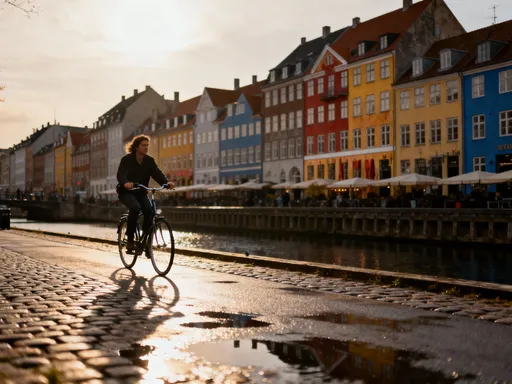
Copenhagen breathes through its bicycles. With over 60 percent of residents commuting by bike daily, the city has evolved around two wheels, not four. To cycle here is not merely a mode of transport—it is an immersion into the city’s daily heartbeat. The moment you mount a bike, whether rented from one of the many city kiosks or borrowed from a friend, you become part of a flowing, silent procession that moves with precision and grace. Bike lanes crisscross the city like veins, wide, well-marked, and prioritized in traffic design. Riding from Nørrebro to Østerbro, you pass tree-lined avenues, bustling markets, and quiet residential streets where children wave from doorsteps and neighbors exchange greetings without pausing their ride.
The experience is both liberating and empowering. Unlike cars, which are often confined to congested routes and expensive parking, bikes offer fluid access to every corner of the city. You can glide across the Langebro Bridge at sunrise, the harbor shimmering below, seagulls circling above, and feel the city awaken beneath you. The rhythm is steady: pedal, breathe, observe. Cyclists here follow unspoken rules—clear hand signals, predictable movements, mutual respect—that create a sense of collective harmony. Even in rain, Danes cycle with quiet determination, clad in practical raincoats, baskets full of groceries or books, never hurried, always composed.
For visitors, biking is the most intuitive way to understand Copenhagen’s urban philosophy. It fosters presence. You move fast enough to cover ground, yet slowly enough to notice details—the carved stone above a doorway, the scent of blooming linden trees, the sound of church bells echoing across a square. Practical advice for first-time riders includes renting from trusted providers like Donkey Republic or Bycyklen, which offer GPS-enabled bikes with intuitive apps. Helmets are rarely worn, but lights and reflective gear are essential, especially in winter’s long twilight. Traffic signals have dedicated bicycle timers, and understanding the green wave—where lights are timed for average cycling speed—can make your ride smoother and safer. Above all, stay calm, stay visible, and follow the flow. The city rewards those who ride with respect.
Nyhavn and Beyond: Peeling Back the Postcard Layers
No image of Copenhagen is more iconic than Nyhavn—the row of 17th-century townhouses painted in vibrant yellows, reds, and greens, lining a tranquil canal where wooden fishing boats still dock. Yet while postcards capture its beauty, they often miss its soul. To truly experience Nyhavn, one must visit early, when the morning light softens the facades and the only sounds are lapping water and distant footsteps. At this hour, the area feels less like a tourist attraction and more like a living neighborhood, where baristas open cafés, artists sketch by the water, and fishermen mend nets with practiced hands.
Beyond the canal’s edge, narrow alleys branch into quieter districts like Gammel Strand and Slotsholmen, where history unfolds in layers. Gammel Strand, once a bustling marketplace, now hosts boutique bookshops and design studios tucked into centuries-old buildings. Slotsholmen, home to the Danish Parliament and the Royal Palace, offers a different kind of serenity. Cobbled paths wind past ivy-covered walls and hidden courtyards, where sunlight filters through ancient trees and pigeons flutter between stone statues. From the Christiansborg Palace gardens, you can glimpse the spire of the Church of Our Saviour, its spiral staircase winding skyward like a corkscrew.
Timing is key to avoiding the midday rush, especially during summer when cruise ships discharge hundreds of passengers at once. Arriving before 9 a.m. or returning after 7 p.m. allows for peaceful strolls and unobstructed photos. For a truly local experience, skip the overpriced restaurants along the main canal and instead seek out small kiosks just behind Nyhavn, where you can buy a freshly made rød pølse—Danish red sausage—with remoulade and crispy onions. These simple pleasures, shared with residents on benches or standing at counters, offer a taste of everyday Copenhagen life. The city’s charm lies not in perfection, but in its lived-in authenticity.
Tivoli Gardens After Dark: Where Magic Meets Memory
As daylight fades, Tivoli Gardens transforms into a dreamscape. Opened in 1843, this historic amusement park is one of the oldest in the world, yet it feels timeless rather than dated. At night, thousands of twinkling lights illuminate gardens, pavilions, and roller coasters, casting reflections on still pools and creating an atmosphere of gentle enchantment. The air hums with music—live jazz from open-air stages, the chime of carousel melodies, the distant laughter of children on the Ferris wheel. The scent of roasted almonds and warm waffles drifts through the pathways, mingling with the fragrance of blooming jasmine and night-blooming flowers.
Tivoli masterfully balances nostalgia with modern appeal. While families enjoy classic rides like the vintage wooden roller coaster, Rutschebanen, adults find solace in quiet corners—hidden benches beneath willow trees, lantern-lit ponds with koi fish gliding beneath the surface, and intimate outdoor bars serving craft cocktails and Danish wine. The park is not about adrenaline; it is about mood. Even the thrill rides are designed with elegance, their structures blending into the landscape rather than dominating it. This is *hygge* in motion: warmth, connection, and sensory comfort wrapped in a shared experience.
For visitors, planning enhances the experience. Tickets can be purchased online to avoid queues, and visiting on weekday evenings often means shorter lines and a more relaxed pace. Summer weekends bring a special tradition—fireworks over the lake every Saturday night, drawing crowds to the central lawn with blankets and picnics. Despite its popularity, Tivoli never feels overwhelming. Pathways are wide, seating is abundant, and the layout encourages wandering rather than rushing. It is a place to pause, to breathe, to remember what joy feels like. In a world that often equates entertainment with excess, Tivoli proves that magic thrives in moderation and care.
Food as Exploration: From Smørrebrød to Street Food at Reffen
To eat in Copenhagen is to engage with its culture at the deepest level. The city’s culinary identity is both rooted in tradition and boldly forward-thinking. One cannot visit without trying *smørrebrød*—open-faced sandwiches that are an art form in themselves. At Schønnemann, a historic restaurant near Kongens Nytorv established in 1877, waiters in white coats serve platters of rye bread topped with pickled herring, roast beef with horseradish, or shrimp with dill and lemon. Each bite is a balance of flavors and textures, a reflection of Denmark’s coastal heritage and seasonal sensibility. Meals are accompanied by snaps or aquavit, traditionally shared among diners in a toast of goodwill.
Yet Copenhagen’s food scene extends far beyond the classics. In the industrial Refshaleøen neighborhood, a former shipyard has been reborn as Reffen, one of Europe’s largest sustainable street food markets. Spread across a sprawling waterfront site, Reffen hosts over 60 vendors offering everything from Korean bibimbap and Nigerian suya to Danish lobster rolls and organic ice cream. The atmosphere is lively but unpretentious—long wooden tables under string lights, locals with dogs on leashes, children chasing bubbles between stalls. Everything is cashless, with digital payments via app or card, making transactions smooth and efficient.
What sets Reffen apart is its commitment to sustainability. Waste is sorted meticulously, compostable packaging is standard, and many vendors source ingredients locally. The market also supports emerging chefs, providing low-barrier entry for culinary entrepreneurs. This blend of innovation, inclusivity, and environmental responsibility mirrors Copenhagen’s broader values. Whether savoring a steaming bowl of ramen or sipping cold-pressed juice by the water, you’re not just eating—you’re participating in a vision of urban life that is vibrant, ethical, and community-centered. Food here is not a luxury; it is a conversation.
Islands Brygge and the Harbour Baths: A Dip in Urban Nature
One of Copenhagen’s most astonishing features is its swimmable harbor. In a world where cities often turn their backs on water, Copenhagen embraces it. At Islands Brygge Havnebadet, a public harbor bath just south of the city center, residents and visitors alike strip down to swimsuits and plunge into clean, cold water—right in the heart of the metropolis. Open year-round, the facility includes floating piers, diving boards, and saunas, all accessible by foot, bike, or public transit. In summer, the decks fill with sunbathers and swimmers; in winter, the brave take icy dips before retreating to steaming saunas with views of the water.
The transformation of the harbor from industrial zone to recreational space is a triumph of urban planning and environmental stewardship. Strict wastewater regulations, combined with a massive investment in sewage treatment, have turned what was once polluted into one of the cleanest urban waterways in the world. Real-time water quality data is publicly available, and signs at entry points indicate whether swimming is safe. Changing rooms are modern and clean, with showers, lockers, and towel rentals available. Families bring picnic baskets, teenagers leap from the high board, and elderly couples walk hand-in-hand along the floating walkways, enjoying the breeze and the view.
The harbor baths are more than a place to swim—they are a symbol of Copenhagen’s commitment to well-being and public space. They reflect a belief that nature should not be something you escape to, but something woven into daily life. The waterfront path from Islands Brygge to Kalvebod Brygge is perfect for jogging, cycling, or a quiet evening stroll. Along the way, you’ll pass floating gardens, outdoor yoga platforms, and pop-up cafes. This seamless integration of water, recreation, and community defines the city’s approach to livability. To swim here is not just to cool off—it is to feel connected, to belong.
Design Walks: Discovering Architecture from the Ground Up
Danish design is often associated with chairs and lamps, but in Copenhagen, it is embedded in the city itself. Architecture here is not about grand statements, but about thoughtful details that serve people. A walk from the city center to the waterfront reveals a tapestry of innovation and tradition. The Royal Library’s Black Diamond extension, a striking glass and black granite structure on the harbor, reflects light and water in ever-changing patterns. Inside, natural light floods reading rooms, and public spaces host free exhibitions and concerts, reinforcing the Danish value of accessibility.
Nearby, the Copenhagen Opera House, a gift from the A.P. Møller Foundation, rises like a marble ship from the water. Designed by Henning Larsen, it combines elegance with functionality, offering public tours and open rehearsal viewings. Further east, in the Ørestad district, lies 8 House by Bjarke Ingels Group—a revolutionary residential complex shaped like a figure-eight, where bicycles spiral up through the building, connecting homes, offices, and shops. Rooftop gardens, solar panels, and rainwater collection systems make it a model of sustainable urban living.
But the true magic lies in the small things: brass door handles worn smooth by generations of hands, benches designed to encourage conversation, crosswalks painted in bright colors to slow traffic. Pedestrian zones like Strøget, one of Europe’s longest shopping streets, prioritize walking over driving, creating space for street performers, outdoor cafes, and spontaneous gatherings. Green roofs blanket buildings, reducing heat and supporting biodiversity. Urban planning here is not top-down, but human-centered—designed for comfort, safety, and beauty. To walk through Copenhagen is to understand that design is not just about how things look, but how they make you feel.
The Art of Getting Lost: Finding Your Own Copenhagen
In the end, the most memorable moments in Copenhagen are not the ones planned, but the ones stumbled upon. True exploration means letting go of itineraries, silencing the GPS, and allowing curiosity to lead. One afternoon, I wandered into Assistens Cemetery in Nørrebro, expecting a quiet resting place and finding a living park. Sunlight filtered through beech trees, couples read on blankets, and children chased ducks between gravestones. The final resting place of Hans Christian Andersen felt not solemn, but peaceful—a reminder that life and death are part of the same cycle.
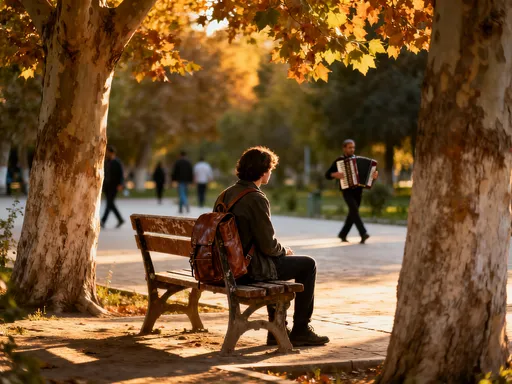
Another day, I followed the sound of music to a small square in Vesterbro, where a local band played jazz under a chestnut tree. A woman handed me a glass of elderflower wine, and for an hour, I was not a visitor, but a neighbor. Christiania, the self-governing neighborhood in Christianshavn, offers another kind of discovery—colorful murals, handmade crafts, and a spirit of independence—though visitors are reminded to stay on marked paths and respect local rules. Bookshops like Busk in Vesterbro invite slow browsing, their shelves filled with Danish design tomes and vintage children’s books.
Getting lost is not about confusion; it is about openness. It is about noticing the elderly man feeding pigeons, the barista who remembers your coffee order, the sudden patch of sunlight on a wet cobblestone street. Copenhagen rewards attention. It invites you to slow down, to savor, to be present. In a world that glorifies speed and productivity, this city offers a different rhythm—one of balance, beauty, and quiet joy. To find your own Copenhagen is to rediscover what it means to live well. And that is a journey worth taking, again and again.