You Won’t Believe Where I Found Manchester’s Best Shopping Spots—Surrounded by Nature
Who said shopping has to mean crowded malls and concrete jungle? In Manchester, I stumbled upon something totally unexpected—boutiques, markets, and indie stores nestled right beside canals, parks, and riverside trails. It’s like the city found the perfect balance: urban energy meets natural calm. This is not just retail therapy—it’s an experience where fresh air fuels your shopping high. Let me show you how Manchester blends green spaces with great finds.
The Green Heart of Manchester: Why Nature and City Life Coexist So Well
Manchester, often celebrated for its industrial legacy and vibrant music scene, has quietly evolved into a city where nature is not an afterthought but a central design principle. Over the past two decades, urban planning initiatives have prioritized green integration, transforming former industrial zones into thriving natural corridors. The city now boasts over 5,000 acres of parkland, 135 miles of canals, and a network of rivers and streams that weave through neighborhoods, creating a breathable, livable urban environment. These spaces are not just scenic—they are functional, shaping how residents live, work, and shop.
At the heart of this green transformation is the River Irwell, which flows through the city’s core and has undergone significant restoration. Once heavily polluted during the industrial era, it now supports diverse wildlife and serves as a scenic backbone for walking and cycling routes. Alongside it, the Manchester Ship Canal and a labyrinth of smaller waterways—many dating back to the 18th century—have been repurposed into recreational and commercial corridors. These water features are no longer just transport routes; they are lifestyle assets, drawing people to their banks for relaxation, exercise, and yes—shopping.
The city’s park network further enhances this balance. Heaton Park, one of the largest municipal parks in Europe, spans over 600 acres and offers woodlands, lakes, and historic buildings. Platt Fields Park in Fallowfield features a boating lake and ornamental gardens, while Alexandra Park on the city’s northern edge provides panoramic views and walking trails. These green spaces are not isolated oases—they are connected by footpaths and cycle lanes, forming a green web that makes it easy to move from nature to neighborhoods. This connectivity has directly influenced local commerce, encouraging the growth of small businesses near park entrances and along riverside paths.
Residents and visitors alike are increasingly drawn to areas where they can enjoy both the convenience of urban amenities and the tranquility of nature. This shift in preference has prompted local authorities and business owners to rethink retail environments. Instead of isolating shops in enclosed malls, there is a growing trend to embed them within green settings. The result is a shopping experience that feels less transactional and more holistic—where a morning walk can naturally lead to a coffee stop, a browse through a boutique, and a purchase of handmade goods, all without leaving the embrace of the outdoors.
Shopping with a View: The Rise of Waterside Retail and Markets
One of the most striking examples of this new retail philosophy can be found at Salford Quays, a regenerated docklands area just a short tram ride from Manchester city center. Once a bustling port, the quays were largely abandoned by the mid-20th century. Today, they are a model of urban renewal, combining modern architecture, cultural institutions like The Lowry and the Imperial War Museum North, and a thriving waterside shopping scene. The Outlet Shopping Village offers a curated selection of brand-name stores in a relaxed, open-air setting where shoppers can pause on benches overlooking the water, watch boats glide by, and enjoy the fresh breeze.
What sets Salford Quays apart is its seamless blend of commerce and calm. Unlike traditional shopping centers, there are no fluorescent lights or enclosed corridors. Instead, wide pedestrian paths, landscaped gardens, and reflective water surfaces create a soothing atmosphere. Shoppers can walk from store to store without feeling overwhelmed, taking breaks at waterfront cafés or grabbing a meal with a view. The natural surroundings soften the commercial experience, making it feel more like a leisurely outing than a retail obligation. This is particularly appealing to families and older adults who value comfort and accessibility in their outings.
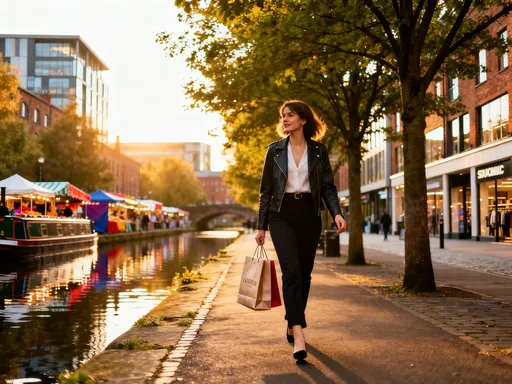
Another standout is Castlefield Market, a weekly open-air market set in one of Manchester’s most picturesque urban parks. Surrounded by Roman ruins, canal locks, and leafy trees, the market offers a rotating selection of local food, crafts, and vintage goods. Vendors operate from colorful stalls under the open sky, and the sound of water trickling through the locks adds a natural soundtrack. Visitors often arrive by foot or bike, having walked along the Bridgewater Canal, and stay for hours, enjoying live music, street food, and the relaxed pace. The market’s success lies in its ability to combine authenticity with atmosphere—shoppers aren’t just buying; they’re participating in a community event.
These waterside retail spaces succeed because they address a growing consumer desire for experiences over transactions. Studies show that people are more likely to spend time and money in environments that feel pleasant and stress-free. Natural elements—water, greenery, sunlight—have been proven to reduce anxiety and improve mood, making them powerful allies in retail design. Manchester’s waterside shopping destinations leverage this insight, offering not just products but a sense of well-being. The result is a shopping experience that feels restorative rather than exhausting, a welcome change in an era where many associate retail with crowds and chaos.
Hidden Gems in Plain Sight: Discovering Indie Stores Near Green Spaces
While Salford Quays and Castlefield attract large crowds, some of Manchester’s most rewarding shopping experiences are found in quieter corners, just steps from local parks. In Fallowfield, near Platt Fields Park, a cluster of independent boutiques has emerged along Stockport Road, offering everything from handmade ceramics to vintage clothing. These stores thrive not because of foot traffic from tourists, but because of loyal local customers who appreciate their uniqueness and personal touch. Many are run by artists or designers who live in the area, infusing their shops with creativity and community spirit.
One such store is a small craft emporium that sells hand-knitted woolens, locally printed cards, and natural skincare products made in Greater Manchester. The owner, a former teacher who retrained in sustainable crafts, designed the shop to feel like a cozy living room, with soft lighting, wooden shelves, and a small seating area where customers can sip herbal tea while browsing. The proximity to Platt Fields Park means that shoppers often stop by after a morning walk, drawn in by the warm ambiance and the promise of something one-of-a-kind. For many, these indie stores are more than places to buy—they are spaces of connection, where conversations flow as easily as the nearby stream.
Similarly, in the Prestwich area, near the edge of Heaton Park, a growing number of small businesses have set up shop in converted cottages and Victorian buildings. The village center has retained its historic charm, with cobblestone alleys and ivy-covered walls, making it a delightful place to explore. Boutiques here specialize in curated vintage finds, artisanal homewares, and eco-friendly clothing brands. Some shops even host workshops—knitting circles, candle-making classes, or floral arranging—fostering a sense of participation and skill-sharing. These events often attract women in their 30s to 50s, who value both the social aspect and the opportunity to learn something new while supporting local enterprise.
What makes these neighborhood stores so resilient is their integration into daily life. They are not destinations you plan a full day around; they are part of the rhythm of the community. A mother might drop off her children at school, take a quick walk through the park, and stop by a nearby shop for a gift or a treat. A retiree might meet a friend for coffee and end the visit with a browse through a bookshop that also sells handmade soaps. This low-pressure, integrated model of shopping is proving to be both sustainable and deeply satisfying, offering an alternative to the high-stakes consumerism of big-box retailers.
From Park to Pavilion: Combining Walks with Retail Therapy
One of the most fulfilling ways to experience Manchester’s green-infused shopping culture is to plan a day that begins with nature and ends with retail. A perfect example is a morning walk in Heaton Park, followed by an afternoon of shopping and dining in Prestwich Village. Heaton Park offers miles of walking and cycling trails, a boating lake, a historic hall, and even a miniature railway. Families, couples, and solo walkers alike find peace among its trees and open fields. After a few hours of fresh air and movement, the natural next step is a visit to the nearby village, where the energy shifts from serene to vibrant.
Prestwich Village is a masterclass in small-town charm. Its main street is lined with independent cafés, bakeries, and specialty shops. One popular stop is a family-run deli that imports cheeses from across Europe and pairs them with locally baked bread. Another is a boutique that sells Scandinavian-inspired home goods—minimalist ceramics, linen textiles, and soy candles—curated to create a sense of calm and order. For many visitors, especially women managing busy households, these stores offer a form of emotional nourishment. Buying a beautiful mug or a jar of lavender honey feels less like a purchase and more like a small act of self-care.
The idea of “earning” your shopping spree through physical activity adds a layer of satisfaction. After walking for miles, treating yourself to a pastry from a French-style patisserie or a new scarf from a local designer feels justified and joyful. This combination of movement and reward taps into a deeper psychological need for balance—between effort and pleasure, between nature and nurture. It’s no surprise that many regulars describe their weekend outings in this way: a walk to clear the mind, a shop to lift the spirit.
Cafés in these areas often serve as bridges between outdoor adventure and urban comfort. Many offer outdoor seating, allowing guests to linger in the sun with a coffee and a book. Some even provide bike racks and water stations for cyclists, reinforcing the connection between active lifestyles and mindful consumption. These spaces understand their clientele—people who value health, sustainability, and quality of life—and cater to them with thoughtfully sourced menus and eco-friendly practices. The result is a retail ecosystem that feels aligned with personal values, not at odds with them.
Canal-Side Strolls and Vintage Treasures: The Northern Quarter Reimagined
No exploration of Manchester’s unique shopping landscape would be complete without a visit to the Northern Quarter, a district renowned for its creative energy and alternative culture. While often associated with street art, music venues, and independent cafés, the Northern Quarter also offers a distinctive shopping experience—one that is deeply intertwined with nature. Though it is an urban neighborhood, it is crisscrossed by green corridors, including the Rochdale Canal towpath, which runs alongside vibrant street murals and hidden courtyards.
Along this canal path, vintage stores and record shops sit just steps from climbing ivy and overhanging trees. Shoppers can browse racks of 1970s denim or rare vinyl albums while listening to the rustle of leaves and the gentle flow of water. The contrast between urban grit and natural softness creates a uniquely Manchester aesthetic—raw yet romantic, edgy yet peaceful. Stores like these thrive because they offer authenticity in an age of mass production. A woman searching for a one-of-a-kind coat or a gift for her daughter might spend hours exploring, not out of necessity, but out of pleasure.
The green connectivity of the Northern Quarter plays a crucial role in attracting creative commerce. Artists, designers, and small business owners are drawn to areas with character and inspiration, and the presence of nature—even in small doses—enhances both. The canal paths provide not just transportation routes but also mental space, allowing for reflection and creativity. Many shop owners credit their surroundings with influencing their designs, whether through color palettes inspired by changing seasons or materials sourced from sustainable suppliers.
This synergy between nature and creativity has made the Northern Quarter a hub for mindful consumerism. Shoppers here are not looking for fast fashion or disposable goods; they seek items with history, craftsmanship, and meaning. A hand-stitched bag, a restored piece of furniture, a locally pressed record—these are the treasures that define the area’s retail identity. And because the environment encourages slow, intentional movement, the shopping experience feels more like discovery than consumption.
Practical Magic: Navigating Manchester’s Nature-Infused Shopping Spots
Exploring Manchester’s green shopping destinations is not only enjoyable but also surprisingly easy. The city’s public transportation system, including the Metrolink tram network, connects key areas like Salford Quays, the Northern Quarter, and Heaton Park with frequent, reliable service. For those who prefer active travel, an expanding network of cycle lanes and walking paths makes it possible to reach many destinations without a car. Bike rental schemes are available throughout the city, and many shops and markets offer secure bike parking, encouraging eco-friendly access.
The best times to visit these spots are weekday mornings or early weekends, when crowds are thinner and natural light is at its most flattering. Early autumn and late spring offer ideal weather—mild temperatures, golden sunlight, and trees in full color or bloom. These seasons enhance the beauty of both the green spaces and the shopping experience, making photos more vibrant and moods more lifted. For families, school holidays can be busy, so planning ahead and arriving early can make a significant difference in comfort and enjoyment.
When preparing for a day of nature-adjacent shopping, a few simple items can enhance the experience. Comfortable walking shoes are essential, as many areas involve cobblestones, uneven paths, or grassy trails. A reusable shopping bag is both practical and environmentally responsible, especially when buying from markets or indie stores that avoid plastic packaging. A light jacket or scarf is wise, as the weather in Manchester can shift quickly, even on sunny days. And perhaps most importantly, a sense of adventure—being open to unexpected finds, spontaneous conversations, and the quiet joy of a moment spent by the water or under a tree.
For visitors unfamiliar with the city, guided walking tours that combine nature and shopping are increasingly popular. These tours, often led by local residents, offer insider knowledge about hidden boutiques, seasonal markets, and scenic routes. They provide not just directions but also stories—about the history of a canal, the journey of a local artisan, or the transformation of a former industrial site. These narratives deepen the experience, turning a simple shopping trip into a meaningful exploration of place and people.
Why This Blend Matters: The Future of Sustainable Urban Shopping
Manchester’s integration of nature and retail is more than just a local trend—it is a model for the future of sustainable urban living. As cities around the world grapple with congestion, pollution, and declining mental health, Manchester demonstrates how thoughtful design can enhance both well-being and economic vitality. By placing green spaces at the heart of commerce, the city supports a slower, more intentional form of consumerism—one that values quality over quantity, experience over excess, and connection over convenience.
This model also aligns with growing consumer demand for eco-conscious choices. Shoppers, especially women managing households, are increasingly aware of the environmental and social impact of their purchases. They seek out stores that prioritize sustainability, whether through ethical sourcing, reduced packaging, or support for local makers. Manchester’s nature-infused shopping spots naturally attract such businesses, creating ecosystems where sustainability is not a marketing gimmick but a way of life.
Globally, cities like Copenhagen, Portland, and Melbourne are adopting similar approaches, blending parks with retail, encouraging walkable neighborhoods, and investing in green infrastructure. Manchester’s experience shows that these changes are not just possible in large urban centers—they are desirable and profitable. When people feel good in a space, they stay longer, spend more, and return more often. Moreover, they form emotional attachments to places that respect both nature and community.
In the end, shopping does not have to cost the earth—literally or figuratively. Manchester proves that commerce and conservation can coexist, that urban energy and natural calm can enrich each other, and that the best retail experiences are those that feed not just the closet or the kitchen, but the soul. So the next time you plan a shopping trip, consider one where the journey is as rewarding as the destination—where every step is guided by greenery, and every purchase feels like a small celebration of life well-lived.