Whispers of Stone and Sky: Afghanistan’s Untamed Beauty
You know what? I never expected to feel so alive in a place so misunderstood. Kabul, wrapped in stories of struggle, hides something wild and pure—ancient mountains, silent valleys, and a culture carved by time. This isn’t just travel; it’s revelation. The natural wonders around Kabul aren’t on every bucket list, but they should be. Let me take you where few dare to look—where nature and tradition breathe as one. In a world quick to judge by headlines, there is profound beauty in slowing down, listening, and seeing beyond the surface. This is not a journey of conquest, but of connection, where every stone tells a story and every sky holds a whisper of resilience.
Beyond the Headlines: Discovering Kabul’s True Face
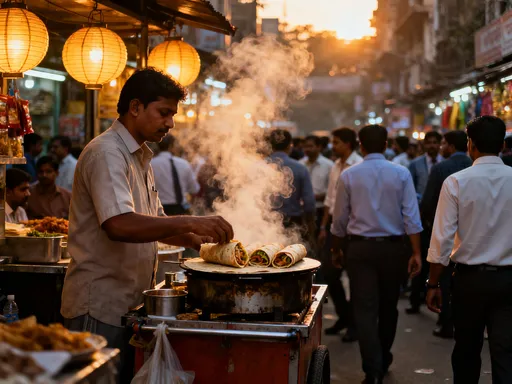
Kabul is often reduced to news clips and travel advisories, painted as a city under siege, defined solely by decades of conflict. Yet, for those who walk its streets with open eyes, a different truth emerges—one of endurance, warmth, and quiet dignity. The city pulses with life: the scent of roasted almonds drifts from street vendors, children laugh as they weave through traffic selling packets of tissues, and the call to prayer rises above the hum of motorbikes and honking horns. These are not scenes of despair, but of daily resilience, of a people who continue to build, to gather, to live with grace amid hardship.
Understanding Kabul requires stepping beyond the frame of fear. The city has long been a crossroads of empires, cultures, and trade routes. Its bazaars, like the bustling Chicken Street or the labyrinthine Shar-e-Naw market, are alive with color and commerce. Here, artisans hammer copper into intricate trays, women in vibrant headscarves barter for spices, and elders sip steaming tea in shaded courtyards. These moments are not exceptions—they are the rhythm of ordinary life. For visitors, the shift in perception is profound: Kabul is not a city waiting to fall, but one determined to rise.
Reframing the narrative is not about ignoring challenges, but about honoring complexity. Safety concerns are real, and travel should always be approached with caution and respect. Yet, to reduce Kabul to danger alone is to erase its humanity. When travelers see the smiles of schoolgirls in blue uniforms, hear the laughter at family picnics in city parks, or witness the pride in a shopkeeper’s voice as he speaks of his craft, they encounter a truth rarely broadcast: that beauty persists, even in the most unexpected places. This is the first step in mindful exploration—not to romanticize, but to recognize.
The Hindu Kush Embrace: Mountains That Shape a Culture
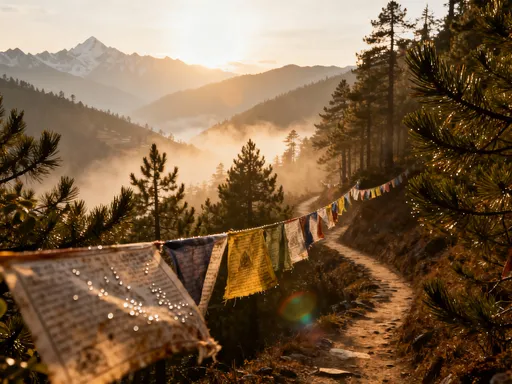
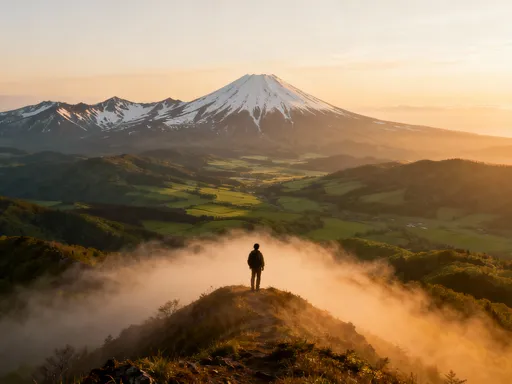
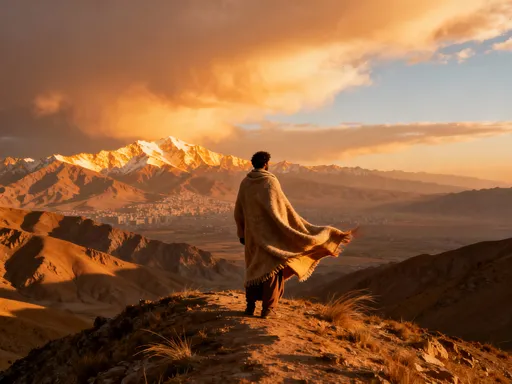
Rising like ancient sentinels around Kabul, the Hindu Kush mountain range is more than a backdrop—it is the soul of the region. Stretching across central Afghanistan, these rugged peaks, some exceeding 7,000 meters, have shaped the land and its people for millennia. Their snow-capped summits glow at dawn, catching the first light like crowns of fire, while deep gorges carved by wind and ice whisper of time’s slow sculpting hand. For the people of Kabul, the mountains are not distant scenery; they are constant companions, influencing weather, agriculture, and even the cadence of daily life.
Life in the shadow of the Hindu Kush is marked by both hardship and harmony. Winter brings fierce cold, isolating villages for months, while summer offers brief, fertile windows for planting and harvest. Yet, it is in this balance of challenge and reward that resilience is forged. The mountains dictate the rhythm: families store food in anticipation of snow, herders guide flocks along high pastures in spring, and farmers read the sky for signs of rain. This deep attunement to nature is not merely survival—it is a way of knowing the world, passed down through generations.
But the influence of the Hindu Kush extends beyond the physical. It is woven into stories, songs, and spiritual beliefs. Elders speak of spirits in the high passes, of winds that carry messages from ancestors, of peaks that watch over the valleys like protectors. In many villages, the first prayer of the morning is offered not just to God, but to the land itself. This reverence is not mystical exaggeration, but a recognition of interdependence. The mountains provide water, shelter, and solitude—gifts that shape identity as much as terrain. To walk these slopes is to understand that culture here is not imposed, but grown, rooted in stone and sky.
The Char Chinar Escape: Nature’s Oasis in the City
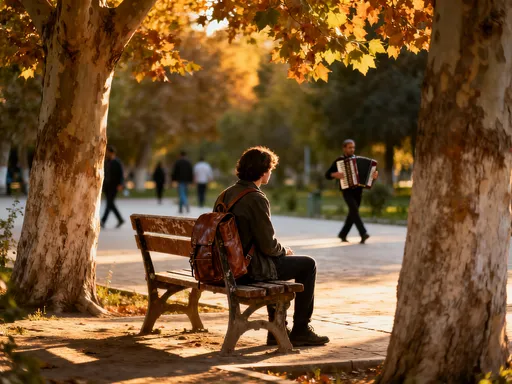
Amid the dust and bustle of Kabul lies a sanctuary of green—Char Chinar, a beloved park nestled along the banks of the Kabul River. Its name, meaning “Four Plane Trees,” refers to the ancient chinar trees that have stood for generations, their broad canopies offering shade to families, lovers, and poets. Unlike the manicured gardens of Western cities, Char Chinar thrives in simplicity. There are no fountains or playgrounds, no ticket booths or strict rules. Instead, life unfolds naturally: children fly handmade kites, couples sit on woolen rugs sharing sweets, and elders gather in circles, sipping green tea from small glass cups.
For Kabulis, Char Chinar is more than a park—it is a symbol of peace. In times of conflict, when the city has echoed with gunfire, this place has remained a refuge. Even during the darkest years, families continued to visit, spreading blankets beneath the trees as an act of quiet defiance. To picnic here is not just recreation; it is a declaration that joy cannot be erased. The park’s location by the river adds to its serenity, the gentle flow of water a contrast to the city’s chaos. Ducks glide across small ponds, willow branches dip into the current, and the air carries the scent of damp earth and wild mint.
Char Chinar also reflects a deeper cultural value: the importance of shared space. In a society where home life is often private and gender-segregated, public parks offer rare opportunities for communal gathering. Women in colorful headscarves laugh together on benches, men play backgammon under trees, and teenagers take shy walks along the riverbank. These moments are unscripted, unpolished, and deeply human. For travelers, visiting Char Chinar is not about sightseeing, but about witnessing a way of life—one where nature and community are inseparable. It is a reminder that even in cities marked by hardship, the need for beauty and togetherness remains strong.
Valley Secrets: Exploring Paghman’s Forgotten Trails
Just a short drive west of Kabul, the Paghman Valley unfolds like a dream half-remembered. Once a royal retreat for Afghan kings, this lush valley was famed for its gardens, fountains, and cool mountain air. In the mid-20th century, it was a symbol of elegance, where elites strolled through manicured parks and summer palaces dotted the hillsides. But war changed everything. Bombs fell, palaces crumbled, and the gardens were buried under rubble and neglect. For decades, Paghman faded from memory, a ghost of its former self.
Today, Paghman is experiencing a quiet revival. Locals are returning, not to rebuild the past, but to reclaim the land. Along the valley’s slopes, new gardens bloom—tulips, roses, and wildflowers planted by families determined to restore beauty. Ruins still stand, but they are no longer symbols of loss; they are part of a living story. A crumbling pavilion becomes a picnic spot, a broken fountain a place for children to climb and explore. In village tea houses, men gather on woven mats, sipping tea and discussing plans for irrigation and tree planting. This is not tourism-driven restoration, but grassroots healing.
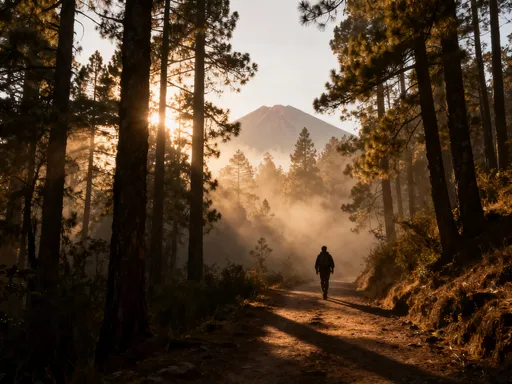
Walking through Paghman is an experience of layered time. One moment, you stand before a collapsed archway, imagining the music that once filled its halls; the next, you’re greeted by a farmer offering fresh apricots from his orchard. Spring brings a burst of color—pink almond blossoms, yellow wild mustard, and the green of new grass carpeting the hills. Hiking trails, though informal, lead to panoramic views of Kabul in the distance, a reminder of how close beauty and struggle can be. For travelers, Paghman offers a rare chance to witness renewal in real time—not as a spectacle, but as a quiet, ongoing act of hope.
Water Between Worlds: The Kabul River’s Quiet Journey
The Kabul River, though often overlooked, is the lifeblood of the region. It begins as snowmelt high in the Hindu Kush, gathering strength as it winds through narrow gorges and fertile valleys before flowing into the heart of the city. For centuries, this river has sustained agriculture, powered mills, and provided water for homes and mosques. It is more than a waterway—it is a thread connecting mountain and city, past and present, survival and spirit.
Yet, the river today bears the marks of neglect. In urban areas, it is often clogged with debris, its flow diminished by drought and overuse. Factories and homes discharge waste, and plastic bags cling to its banks like unwanted ornaments. Despite this, the river remains sacred. Farmers downstream still rely on its waters to irrigate fields of wheat, corn, and vegetables. Children bathe in its shallows, and women wash clothes on flat stones, just as their grandmothers did. Poets speak of the river as a traveler, carrying stories from the highlands to the plains, a silent witness to generations of joy and sorrow.
Efforts to restore the Kabul River are growing, led by local environmental groups and community volunteers. Clean-up campaigns, though small, are making a difference. Families gather on weekends to remove trash, students plant trees along the banks, and artists paint murals depicting the river in its former glory. These acts are not just practical—they are symbolic, a reclaiming of dignity. For travelers, walking beside the river offers a powerful lesson: that even in degradation, there is resilience. To see a child laughing as he skips stones, or a farmer guiding water into his field, is to understand that life continues, adapting, enduring. The river, like the people, flows on.
Culture Carved by Nature: How Landscape Shapes Tradition
In Afghanistan, culture is not separate from nature—it is shaped by it. The harsh terrain, unpredictable weather, and isolation of mountain villages have given rise to traditions that emphasize hospitality, craftsmanship, and community. In the highlands, where winters are long and supplies scarce, sharing food with a traveler is not just kindness—it is a sacred duty. The phrase “Atithi Devo Bhava” (the guest is God), though from another culture, resonates deeply here. To welcome a stranger is to affirm life itself.
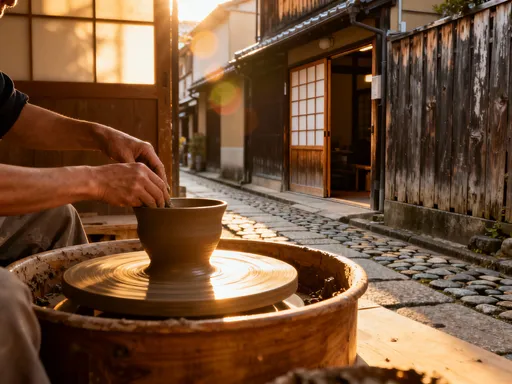
Isolation has also preserved ancient crafts. In villages scattered across the Hindu Kush, women weave wool into vibrant rugs using patterns passed down for generations. Each knot holds meaning—symbols of fertility, protection, or remembrance. Potters shape clay into vessels that mimic the curves of the hills, while silversmiths craft jewelry inspired by mountain flowers. These artisans do not see themselves as preserving tradition for tourists; they are living it. Their work is not art for display, but for use—rugs to warm floors, pots to cook meals, jewelry to mark milestones.
Seasons dictate the rhythm of festivals and migrations. In spring, families celebrate Nowruz, the Persian New Year, with feasts, music, and visits to ancestral graves. In summer, herders move flocks to high pastures, following paths their ancestors walked centuries ago. Autumn brings harvest festivals, where communities gather to grind wheat, press grapes, and share stories. These cycles are not folklore—they are lived realities. For travelers, understanding these traditions means recognizing that culture here is not static, but dynamic, shaped by the land’s demands and gifts. To witness a wedding in a mountain village, where music echoes off cliffs and dancers move in rhythm with the wind, is to see harmony in motion.
Traveling with Respect: A Guide to Mindful Exploration
For those who feel drawn to Kabul and its surroundings, travel must be approached with humility and care. This is not a destination for thrill-seeking or casual tourism. It is a place of deep history, complex realities, and enduring dignity. The first step is to travel with local guides—residents who know the terrain, the culture, and the unspoken rules. They are not just interpreters, but bridges, offering context and connection that no guidebook can provide.
Dress modestly, especially for women. Long sleeves, loose-fitting clothing, and head coverings are not just respectful—they are practical, offering protection from sun and dust. When visiting homes or religious sites, remove shoes before entering, and ask permission before taking photographs. In many communities, cameras are viewed with suspicion, not because people fear being seen, but because they fear being misrepresented. A smile, a shared cup of tea, or a simple “Salaam alaikum” (peace be upon you) opens doors more than any lens ever could.
Support local economies by buying handmade crafts, eating at family-run tea houses, and staying in community guesthouses when available. Avoid bargains that feel exploitative; instead, pay fair prices as a sign of respect. Listen more than you speak. Let conversations unfold naturally, and be open to silence. In many Afghan homes, hospitality is shown not through words, but through acts—offering food, refilling your tea, ensuring you are comfortable. To accept these gestures is to honor the host.
Most importantly, travel with the understanding that you are a guest, not a conqueror. You are not there to “discover” a hidden world, but to witness one that has always existed. Your presence should leave no trace but gratitude. In a world that often reduces Afghanistan to headlines of conflict, your respectful visit becomes an act of recognition—a quiet affirmation that this land, and its people, are worthy of attention, not for their suffering, but for their strength, beauty, and resilience.
Where Beauty Still Breathes
Kabul’s wonders are not the kind that dazzle with spectacle. They do not shout for attention. Instead, they whisper—from the rustle of chinar leaves in the wind, the murmur of the river over stones, the low hum of prayer at dusk. They are found in the hands of an elder shaping clay, the laughter of children chasing kites in Paghman, the quiet determination of a farmer guiding water to his field. This is beauty not in spite of hardship, but intertwined with it—a beauty that endures because it is rooted in truth.
To travel here is not to escape the world, but to awaken to it. It is to see that understanding begins not with policy or protest, but with presence. A walk through a garden in the mountains, a conversation over tea, a moment of shared silence—these are the threads that weave empathy. In a time when so much divides, Kabul offers a different story: one of continuity, of culture shaped by land, of people who have not just survived, but continued to create, to gather, to hope.
The natural wonders around Kabul are not just destinations—they are invitations. Invitations to look deeper, to listen closely, to move slowly. They remind us that beauty is not always safe, nor convenient, but it is always worth seeking. And sometimes, in the most unexpected places, we find not just landscapes, but reflections of our own humanity. In the whispers of stone and sky, we hear not silence, but song.